Source EVA Foam Tape for Ceramic, Wood, and Metal Bonding
Find 30 options for EVA foam tape suitable for ceramic, wood, and metal applications. Compare specifications including thickness, width, and adhesive types from suppliers in Guangdong, China, to identify the right double-sided tape for your office, school, or decoration needs.
Key considerations
Products List




Comprehensive Sourcing Guide
EVA Foam Tape Sourcing Guide
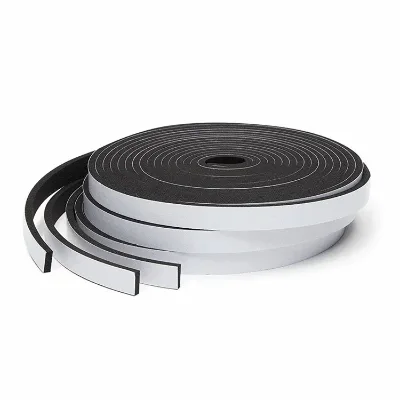
Buyers must first distinguish between the two primary material variants observed in the market: EVA foam tape and PE foam tape. The supplied data indicates that EVA variants typically feature a surface material of EVA with an adhesive membrane of the same type, often paired with ordinary release paper. In contrast, PE foam options utilize a polyethylene surface and adhesive membrane, frequently backed by polyethylene liners. Understanding this fundamental material difference is critical, as it dictates the tape's suitability for specific environmental conditions, such as high-temperature versus low-temperature applications.
Procurement decisions should also account for the diverse customization capabilities available from suppliers. Listings show that foam tape dimensions, including length, width, and thickness, are frequently offered in standard sizes like 2mm by 20mm or 1mm by 19mm, but can be customized to meet specific project needs. This flexibility extends to the jumbo roll sizes, which vary between 1020mm by 300m and 1020mm by 200m depending on the manufacturer. Buyers should verify if the supplier can accommodate custom roll widths and lengths to minimize waste and ensure the final product fits the intended application perfectly.
Product Scope and Observed Listing Signals
The observed product range reveals a clear segmentation based on adhesive performance and ambient temperature resistance. Some listings explicitly identify the product as high-temperature tape, while others are designated for low-temperature environments. This distinction is vital for buyers sourcing tape for industrial assembly or outdoor applications where thermal stability is a primary concern. The data also notes that the adhesive type is generally hot melt glue, which provides a strong bond for materials like ceramic, wood, and metal, but the specific temperature rating must be confirmed for each order to prevent failure in extreme conditions.
Packaging and branding details provide additional signals regarding the product's intended market and quality tier. While some suppliers offer packaging tailored to customer requirements, others utilize standard poly plastic packaging or carton and pallet configurations. Brand names such as "Hx" and model numbers like "seagull-3020" or "HX-3010" appear in the listings, indicating that buyers may encounter both branded and generic options. It is essential to verify if the specific model number corresponds to the exact material composition and dimensions required, as different models often represent distinct thicknesses or roll lengths within the same product family.
Technical Specifications to Verify
Thickness and width tolerances are the most critical physical parameters to validate before placing an order. The data shows standard thicknesses ranging from 1mm to 2mm, with some listings specifying exact standards like 2mm20mm15m or 1mm19mm10m. Buyers must confirm whether the supplier can maintain these dimensions consistently across the entire roll length, as variations can affect the bonding strength and final assembly fit. Additionally, the width is often listed as 20mm or 19mm, but custom widths are available, requiring precise communication of the required tolerance to avoid production delays.
Adhesive backing and liner materials significantly influence the tape's handling and application process. The supplied facts indicate a choice between ordinary release paper and polyethylene liners, with some options featuring colored films like green or red. The liner type affects how easily the tape can be peeled and applied, particularly in automated dispensing systems. Buyers should verify the specific liner material for their application, as the wrong choice can lead to adhesion issues or difficulty in removing the backing during the manufacturing process.
Compliance and Safety Documentation
Certification status is a primary indicator of a supplier's commitment to ethical and quality standards. The provided information confirms that BSCI certification is available for these products, which is a significant factor for buyers concerned with supply chain ethics and labor practices. However, buyers should not assume that every listed product automatically carries this certification without explicit verification. It is necessary to request current BSCI audit reports or certificates directly from the supplier to ensure the specific batch or production line meets the required compliance standards for your market.
Safety and material safety data sheets (MSDS) are essential for understanding the chemical composition and handling requirements of the tape. While the data mentions the use of hot melt glue and specific foam materials, it does not provide detailed chemical test results or specific safety standards like ASTM D3654 for every item. Buyers must request comprehensive MSDS documents to verify the absence of hazardous substances and to understand the proper storage and disposal methods. This documentation is crucial for maintaining workplace safety and ensuring compliance with local environmental regulations.
Cost Drivers and Commercial Terms
Pricing and minimum order quantities (MOQ) vary significantly based on material type and customization levels. The observed price range spans from 0.1 to 2.6 USD, reflecting differences in foam density, adhesive quality, and roll dimensions. MOQs are equally flexible, ranging from as low as 1 unit to as high as 10,000 units, allowing buyers to scale orders according to their immediate needs. However, higher customization levels, such as specific roll lengths or custom widths, may increase the unit cost and potentially raise the MOQ threshold, requiring careful budget planning.
Lead times and shipping terms are key commercial factors that impact project timelines. The data indicates a standard delivery time of 15 days after payment, which is a critical benchmark for supply chain planning. Buyers should also note that samples are available for free, though freight costs are typically borne by the buyer. This policy allows for quality verification before committing to a large order. It is advisable to clarify the exact shipping method and any potential delays during peak seasons to ensure the goods arrive when needed for production.
Supplier Qualification and Quality Control
Supplier location and production capacity are fundamental to assessing reliability and logistics efficiency. The supplied facts identify the product origin as Guangdong, China (Mainland), a major manufacturing hub known for its extensive supply chain infrastructure. Buyers should verify the supplier's production capacity to ensure they can meet volume requirements without compromising quality. Additionally, understanding the supplier's location helps in estimating shipping costs and transit times, which are critical for maintaining a lean inventory and reducing overall procurement costs.
Quality control processes must be rigorously evaluated to ensure consistent product performance. While the data lists specific product standards and models, it does not detail the internal quality control procedures used by the manufacturer. Buyers should inquire about the supplier's in-process inspection methods, such as adhesion testing and dimensional checks, to confirm that the tape meets the specified standards. Requesting a quality control plan or a sample batch for independent testing can provide valuable insights into the supplier's ability to maintain consistent quality over time.
Long-Term Procurement Checks
Establishing a reliable supply chain requires ongoing monitoring of supplier performance and product consistency. Buyers should implement a system to track key performance indicators such as on-time delivery rates, defect rates, and responsiveness to quality issues. Regular audits of the supplier's production facilities and quality control records can help identify potential risks before they impact the supply chain. This proactive approach ensures that the supplier remains aligned with the buyer's evolving needs and maintains the high standards required for long-term success.
Future-proofing the procurement strategy involves staying informed about market trends and technological advancements in foam tape technology. As applications evolve, the demand for specialized tapes with enhanced properties, such as improved heat resistance or eco-friendly materials, may increase. Buyers should maintain open communication with suppliers to stay updated on new product developments and potential improvements. This collaboration can help the buyer adapt to changing market conditions and secure a competitive advantage through access to the latest innovations in EVA and PE foam tape technology.
FAQs
What materials are used in this EVA foam tape?
The tape surface material is EVA, with an adhesive membrane type of EVA and an adhesive backing paper of ordinary release paper. Some variants use PE foam and release paper or other colored films. The adhesive itself is hot melt glue, ensuring strong bonding for various applications.
Can I get a free sample of the EVA foam tape?
Yes, a free sample is available for the EVA foam tape. However, the freight cost for shipping the sample is borne by the buyer. This allows you to verify the quality and specifications, such as the 2mm thickness or 20mm width, before committing to a larger order.
What is the delivery time for orders of EVA foam tape?
The delivery time is shipped in 15 days after payment. This lead time applies to standard orders. For customized requirements, such as specific lengths or widths, the timeline may vary slightly, but the standard production cycle remains efficient to meet your project deadlines promptly.
What certifications does the EVA foam tape have?
The EVA foam tape holds BSCI certification. This indicates compliance with social responsibility standards for manufacturing. The product originates from Guangdong, China, and is available in various models like seagull-3020 and HX-3010, ensuring quality control and ethical production practices for international buyers.
What are the standard specifications for the EVA foam tape?
Standard specifications include a thickness of 2mm, a width of 20mm, and a length of 15m. Other models offer 1mm thickness with 24m length. Jumbo rolls are available in sizes like 1020mm*300m. Custom dimensions are also available to meet specific application needs.
Is the EVA foam tape waterproof?
Yes, the EVA foam tape is waterproof. It is designed to withstand moisture, making it suitable for applications involving ceramics, wood, and metal. The material properties ensure durability and adhesion even in humid environments, providing reliable performance for both office and decoration uses.